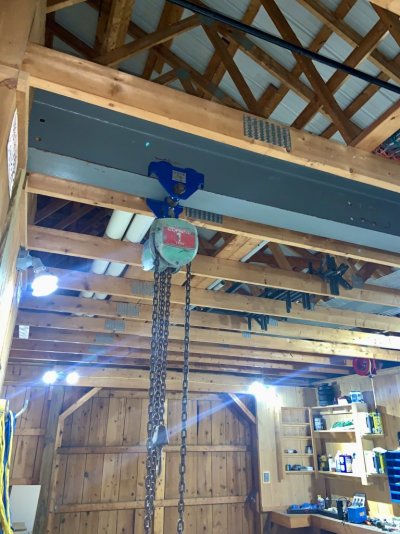
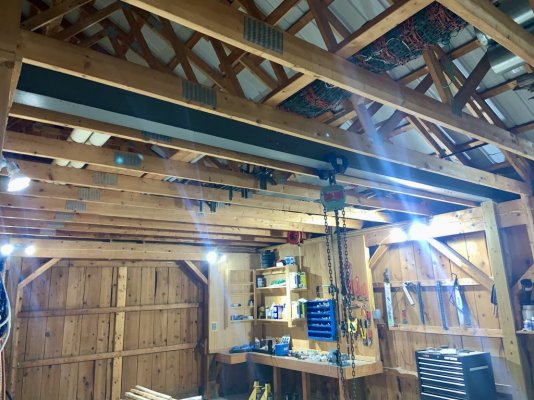
Education, again and again, proves to be an endless thing.
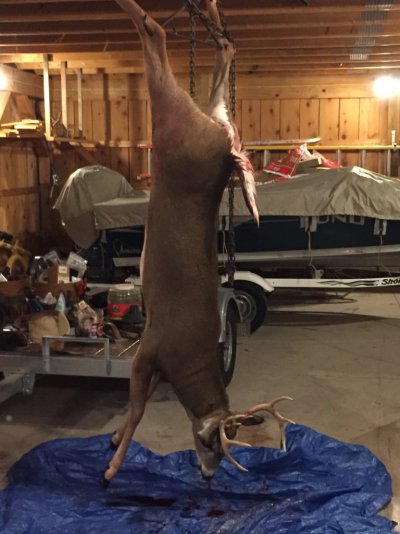
As I look into the minute details of resorting to a hoist, versus relying on a cherry picker and what the factory provides, it becomes obvious nothing is as simple as it seems, if you want to do it well, safely and effectively.
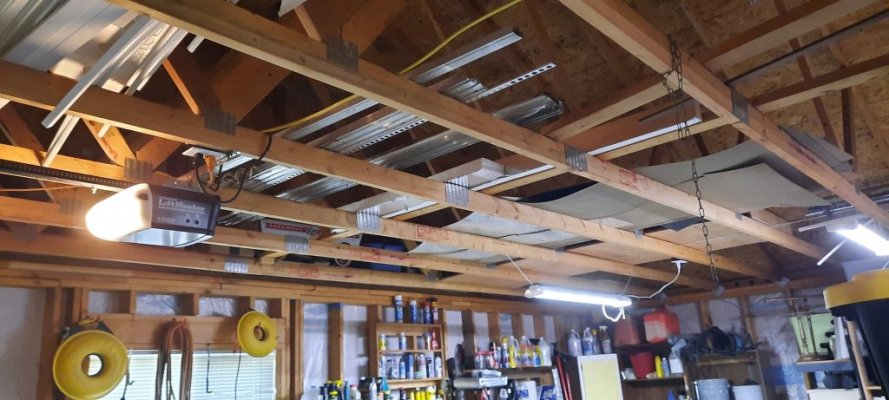
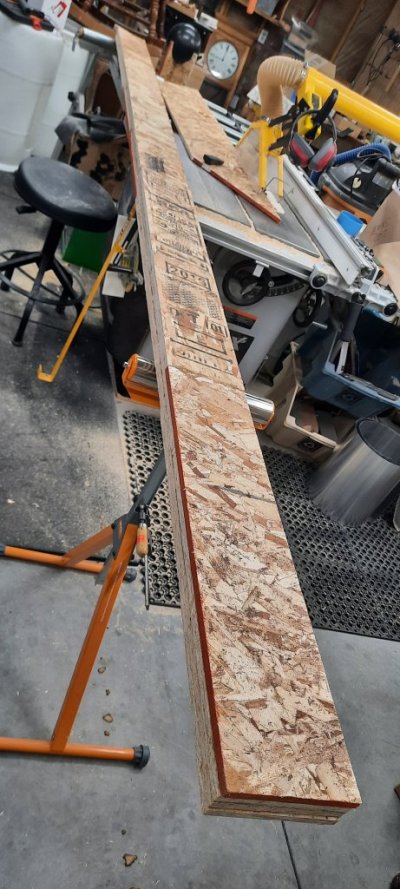
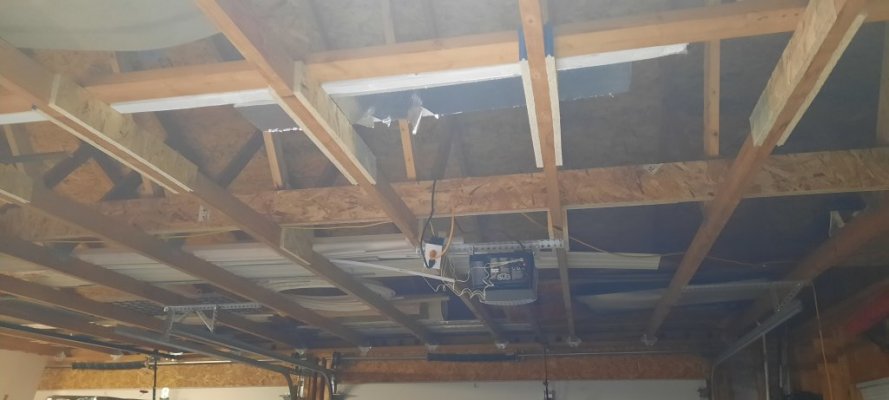
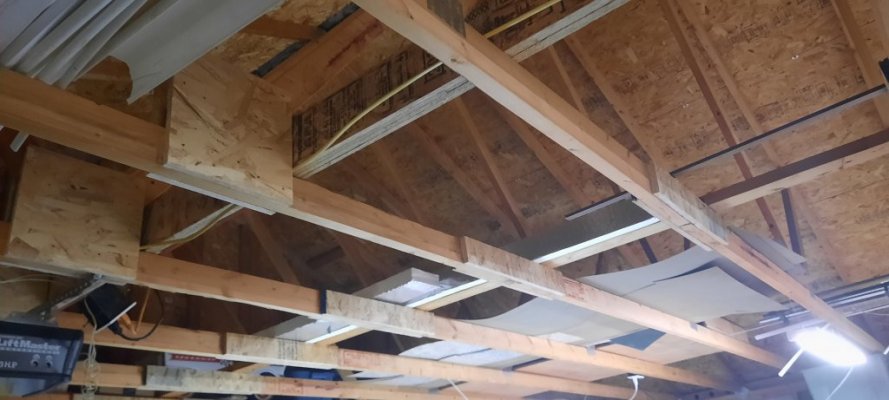
As my posts indicate, I was beefing up the trusses that were not even designed to be load bearing for simple storage purposes.
From there, I considered obvious things like, a metal or aluminum plate over the lambeam I made, to stop the chain from eating away at it.
Next came searching a means of mounting a hoist, and the rabbit trails just grew. Hell, I had no clue of things like, grade 47, grade 70, grade 80 and grad 120 chains, or that anything less than 80 was not to be used to hoist, even though it was fine being employed as a safety measure against loss of a not insignificant trailer and load, or securing that load.
Then came the matter of how to join those chains. Nope, resorting to a grade 8 bolt, a few washers and a nut wouldn't fly, if you wanted to keep you and what you were hoisting safe.
Yep, grade 80 needs grade 80 link methods (duh), but comes the question of what kind are the accepted industry standard.
"Grade 80 Hammerlock/Connex/Chain Connector: These are engineered and rated for connecting Grade 80 chain ends, forming part of chain slings and assemblies for lifting. They’re assembled by aligning the halves, inserting a bushing and pin, then driving the pin flush with a hammer. The connection is strong and secure for critical lifting applications."